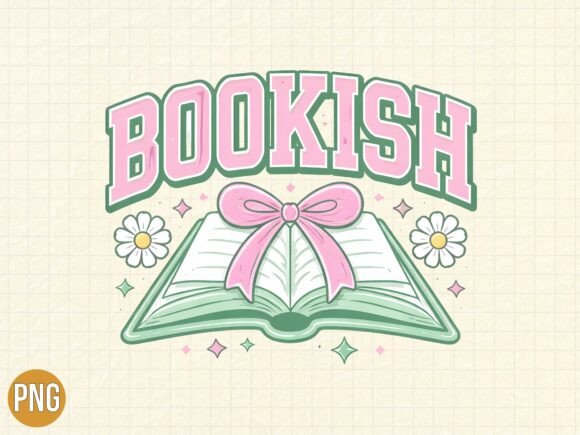
Vintage Floral Reading Book Wreath PNG: A Practical Guide for Creators
The intersection of literary nostalgia and botanical beauty creates a powerful visual appeal, particularly in the world of digital design. The Vintage Floral Reading Book Wreath PNG captures this aesthetic perfectly, offering a sophisticated motif that resonates with book lovers, educators, and lifestyle brands alike. However, possessing a beautiful digital asset is only half the battle. Many creators stumble not because their designs lack creativity, but because they misunderstand the technical requirements and best practices for utilizing high-resolution digital files. This guide aims to clarify those nuances, helping you avoid common pitfalls that can compromise the quality of your final products.
Understanding the Asset Beyond the Aesthetic
At its core, this design is more than just a pretty picture of flowers surrounding an open book. It is a functional tool for communication and branding. The "vintage" aspect implies a specific color palette—often muted, earthy, or sepia-toned—that evokes history and warmth. The "wreath" composition provides a natural frame, making it ideal for centering text, logos, or other graphic elements. When you download a file described as a High-Quality Digital Design File, you are acquiring a resource intended for versatility. It is ready for your creative projects, whether you are designing a cozy café menu, a teacher’s classroom decor, or a line of literary-themed apparel.
Yet, a frequent misunderstanding arises regarding the file format. This asset is provided as a PNG (Portable Network Graphics) file. Unlike JPEGs, which compress data and often introduce noisy artifacts around sharp edges, PNGs support lossless compression and, crucially, transparency. This transparent background is the key feature that allows for easy integration into various designs without the awkward white box that plagues lower-quality downloads. Ignoring this distinction can lead to amateurish results that detract from the professional look you are trying to achieve.
Common Mistakes in File Handling and Preparation
One of the most immediate errors creators make occurs before they even open their design software. The product is delivered as a ZIP file. It is imperative that you unzip and extract the contents before attempting to use them. Trying to drag a compressed ZIP folder directly into design platforms like Canva, Photoshop, or Print-on-Demand uploaders will result in failure. The software cannot read the image data if it remains locked inside the archive. This simple oversight wastes time and causes unnecessary frustration, especially when working under tight deadlines.
Another critical area where mistakes happen is ignoring resolution specifications. This file boasts a 300 DPI (Dots Per Inch) ultra-crisp resolution. DPI determines how many ink dots are placed in one inch of printed material. Standard web images are often 72 DPI, which looks fine on a screen but appears pixelated and blurry when printed. If you resize the image incorrectly or use a screenshot of the preview instead of the actual downloaded file, you lose this 300 DPI advantage. The result? A mug or T-shirt print that looks fuzzy and unprofessional. Always verify that you are working with the original extracted file to maintain that ultra-crisp quality.
Software Compatibility and Workflow Errors
Before purchasing or downloading any digital asset, you must ensure your preferred software or device supports PNG files. While most modern design tools do, some older or specialized industrial printing software may have limitations. Additionally, users often overlook the color profile differences between screens and printers. Screens display in RGB (Red, Green, Blue), while printers use CMYK (Cyan, Magenta, Yellow, Key/Black). Although PNGs are typically RGB, high-quality digital design files are optimized to translate well. However, if you drastically alter the colors in your editing process without calibrating your monitor, the final print may look duller or different than expected. To avoid this, stick to minimal color adjustments and trust the original vintage tones provided in the file.
A subtle but impactful mistake is improper layering. Because the background is transparent, it is tempting to place the wreath over busy patterns or low-contrast backgrounds. If the vintage floral tones blend too much with your background color, the design loses its impact. For example, placing a dark, moody floral wreath on a navy blue shirt might render the details invisible. A better approach is to test contrast ratios. Use the wreath on light-colored substrates for maximum visibility, or add a subtle white outline or glow effect in your design software to separate the artwork from darker backgrounds.
Maximizing Value Across Different Projects
This Vintage Floral Reading Book Wreath PNG is ideal for Print on Demand (POD) creations, but its utility extends far beyond basic applications. Many beginners limit themselves to standard mugs and T-shirts, missing out on higher-margin opportunities. Consider the following expanded applications:
- Stationery and Journals: The literary theme makes this perfect for notebook covers, planner inserts, and greeting cards. The high resolution ensures that fine details in the flower petals remain sharp even on smaller items like stickers.
- Home Decor: Think beyond posters. This design works beautifully on throw pillows, tote bags, and even wooden signs if transferred correctly. The transparent background allows you to mock up these items realistically without manual cutout work.
- Digital Products: Use the wreath as a central element in digital invitations, eBook covers, or blog headers. Since it is a digital file, you can scale it down for web use without losing clarity, provided you start with the 300 DPI master file.
When applying this design to physical products like tumblers or pillows, remember that the surface texture matters. A smooth ceramic mug will showcase the ultra-crisp resolution better than a textured canvas bag. Adjust your expectations and perhaps slightly increase the brightness or contrast in your design software when preparing files for textured surfaces to compensate for ink absorption.
Pre-Purchase Checklist for Smart Buyers
To ensure satisfaction and avoid wasted resources, run through this quick checklist before integrating the design into your business or hobby projects:
- Verify File Format: Confirm that your workflow supports PNGs with transparency. If you require vector files (SVG/EPS) for infinite scaling without pixelation, ensure this raster-based PNG meets your size needs. For most POD items under 20 inches, 300 DPI PNGs are sufficient.
- Check Dimensions: Open the file immediately after extraction to check the pixel dimensions. Ensure they are large enough for your largest intended print size. A general rule is 3000 pixels for a 10-inch print at 300 DPI.
- Assess Style Fit: Does the "vintage" aesthetic align with your brand? If your brand is modern and minimalist, this ornate floral style might clash. Ensure coherence in your overall design language.
- License Review: Always double-check the usage rights. While this file is ready for creative projects, confirm if it allows for commercial use on unlimited products or if there are restrictions on resale of the digital file itself.
By approaching the Vintage Floral Reading Book Wreath PNG with a clear understanding of technical requirements and strategic application, you elevate your creative output. It is not just about having a pretty image; it is about using that image effectively to communicate quality and professionalism. Avoid the common traps of poor file handling and inadequate contrast checks, and you will find this digital asset to be a versatile and valuable addition to your design toolkit.